
Professional photographer in Oslo – quality, experience and results
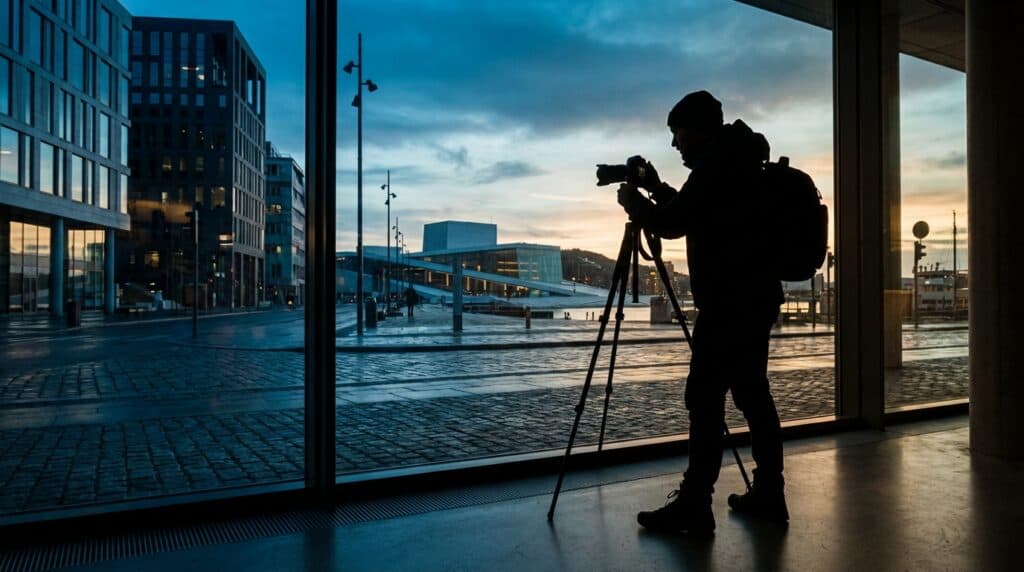
Find your professional photographer in Oslo
Choosing the right photographer is about more than just finding someone with a camera. It’s about finding someone who understands what you need, who can capture moments and moods in a way that tells your story. Oslo is home to hundreds of photographers, but the difference between a decent photo and one that really hits the mark lies in the combination of technical skill, creative vision and the ability to connect with people in front of the lens.
Many people underestimate how much planning and experience goes into a successful photoshoot. A professional photographer in Oslo with solid experience knows how the light falls in Frogner Park on a September afternoon, which backdrops work in the Barcode area, and how to get nervous staff to relax in front of the camera. This knowledge doesn’t come from courses alone. It comes from years of practical work in the capital.
Results are what ultimately count. Whether you need photos for your company’s website, documentation from an important conference, or portraits that show who you really are, you deserve a photographer who delivers quality every time. Not just occasionally, but consistently.
Why choose a local expert in the capital
A photographer who knows Oslo has advantages that cannot be underestimated. They know which locations work for different purposes, are familiar with the lighting conditions throughout the seasons, and often have established relationships with venues and venues that can simplify the logistics.
Think of it this way: a photographer from another city has to spend time finding good locations, understanding traffic patterns that affect the timing of outdoor shoots, and navigating an unfamiliar city. A local expert, on the other hand, can focus all their energy on the assignment itself. This efficiency is reflected in the end result.
Local knowledge also means availability. Do you need a quick reshoot because someone was ill on the original date? An Oslo-based photographer can often turn up at short notice. This flexibility is worth its weight in gold when deadlines are pressing.
The importance of technical equipment and experience
Professional camera equipment makes a real difference to image quality. Full-frame cameras with high resolution, professional lenses with sufficient aperture to work in challenging lighting conditions, and advanced lighting equipment for indoor photography are standard tools for serious photographers.
But equipment alone does not create good images. It is the combination of the right equipment and experience in using it that delivers results. An experienced photographer instinctively knows which aperture setting provides the correct depth of field, how to balance natural light with artificial lighting, and when to break technical rules to achieve a specific effect.
Experience also shows in the ability to handle unforeseen situations. Rain during an outdoor wedding shoot? An experienced photographer has backup plans and knows how to create beautiful photos whatever the weather.
Specialised photography services for businesses and private clients
Photography is not a one-size-fits-all discipline. A skilled portrait photographer is not necessarily the best at event photography, and a specialist in property photography has different skills to someone who photographs products. Understanding these differences helps you choose the right photographer for your specific needs.
Corporate photography and professional portraits
First impressions count, and for many businesses, this first impression is made through images on their website or LinkedIn. Professional portraits of staff and management convey credibility and professionalism in a way that amateur photos never can.
Good corporate portraits require more than technical skill. The photographer must be able to put people at ease, guide them into natural poses, and capture their personality whilst ensuring the image remains professional. This is a balancing act that requires experience with people, not just cameras.
For Oslo-based companies, there are opportunities for contextual portraits that tell a story. An architect photographed with Barcode in the background, a chef in their own kitchen, or an entrepreneur in their start-up office in Grünerløkka. Such images create a stronger connection with the viewer than standard portraits against a white background.
Event and conference photography
Conferences, seminars and corporate events represent significant investments. Professional documentation ensures that this investment yields a return long after the participants have gone home. The images can be used in marketing, social media, annual reports and future invitations.
Event photography requires a special approach. The photographer must be discreet enough not to disturb, yet proactive enough to capture key moments. It is about anticipating what is happening, positioning oneself correctly, and reacting quickly when something interesting unfolds.
Lighting conditions at conference centres and hotels in Oslo vary enormously. From dark auditoriums to glass façades with strong backlighting. An experienced event photographer knows how to handle these challenges without using disruptive flash at critical moments.
Property and interior photography for the Oslo-based market
The property market in Oslo is highly competitive, and professional photographs can make the difference between a property selling quickly and one that remains on the market. High-quality images attract more potential buyers and can contribute to a higher selling price.
Interior photography is about showing rooms at their best without misleading the viewer. This requires an understanding of composition, the use of wide-angle lenses without exaggeration, and the ability to work with existing light supplemented by professional lighting where needed.
For the Oslo-based market, it is also valuable to include context. Views of the fjord, proximity to parks, or the distinctive architecture of different neighbourhoods can all be selling points that should be captured in the images.
Quality in every image: Workflow and post-production
Many people think that photography is simply about pressing the shutter button. In reality, the actual photography accounts for perhaps 30 per cent of the work. The rest is planning, preparation and post-production. It is this holistic approach that distinguishes professional results from amateur ones.
Planning and location scouting in Oslo
Before an important photoshoot, the photographer should ideally visit the location. This applies particularly to outdoor photography or in venues the photographer is not familiar with. A site visit reveals potential challenges and opportunities that do not appear on Google Maps.
During the site visit, the photographer assesses lighting conditions at the planned time, identifies the best angles, and notes practical details such as access to power for lighting equipment. For outdoor locations in Oslo, it is important to consider how the sun moves, and whether there are elements that could create unwanted shadows or reflections.
Planning also includes coordination with the client. Who is to be photographed, in what order, and how much time is allocated to each person or situation? A good plan ensures efficient use of time and reduces stress for everyone involved.
Editing and digital image processing
Post-production is where the raw material is transformed into finished images. This is not about manipulating reality, but about optimising what the camera has captured. Adjusting exposure, colour balance, contrast and sharpness are standard procedures that all professional images undergo.
For portraits, post-production often involves careful retouching. This includes removing temporary skin blemishes, softening harsh shadows under the eyes, or adjusting the background. The aim is to create natural images where the subject looks like their best self, not an unrealistic version.
The time spent on post-processing varies depending on the type of assignment. A portrait may require 15 to 30 minutes of work, whilst a complex interior shot involving multiple exposures that need to be combined can take considerably longer. This time is included in a professional photographer’s delivery.
How to ensure the best results
Even the most skilled photographer needs cooperation to deliver optimal results. As a client, you play a vital role in paving the way for success. Good communication and preparation on both sides result in noticeably better images.
The importance of a good brief and communication
A clear brief is the foundation of a successful photoshoot. Tell the photographer what the photos will be used for, what style you prefer, and whether there are specific elements that must be included. The more specific you can be, the better the photographer can prepare.
Feel free to share examples of photos you like. This gives the photographer valuable insight into your taste and expectations. At the same time, you should be open to the photographer’s suggestions. An experienced professional can often suggest approaches you hadn’t thought of.
Communication should continue throughout the process. Provide feedback along the way if possible, and be clear about any changes to plans or priorities. A photographer who understands your needs can adapt as the project progresses.
Proper use of light and surroundings
Light is the most important element in photography. Natural light often produces the most beautiful results, but it requires good timing. For outdoor photography in Oslo, the hours after sunrise and before sunset are ideal. The soft, warm light during these periods flatters most subjects.
Indoor photography offers more control, but often requires additional equipment. Large windows with north-facing light provide even, flattering lighting for portraits. Professional photographers supplement this with reflectors or artificial light to fill in shadows and create depth.
The surroundings influence the mood of the image. A tidy, well-considered background enhances the subject, whilst cluttered or distracting elements draw attention away. Take time to prepare the location before the photographer arrives.
Investing in visual identity and lasting memories
Professional photographs are an investment that pays dividends over time. For businesses, high-quality images strengthen the brand, boost credibility and improve conversion rates on websites and in marketing materials. For private individuals, professional portraits and event photographs create memories that last for generations.
Choosing a photographer with quality, experience and a proven track record in the Oslo market is the most important step towards photos you’ll be happy with. Look at portfolios, read reviews, and have a chat with the photographer before you decide. The chemistry between photographer and client affects the end result more than many people realise.
When you’re ready to take the next step with your visual communication, it can be valuable to have a partner who sees the bigger picture. Mediabooster works as part of your team on everything from visual content to digital strategy. Book a meeting to discuss how professional images can strengthen your brand.