
Photographer in Oslo for B2B – visual content that works
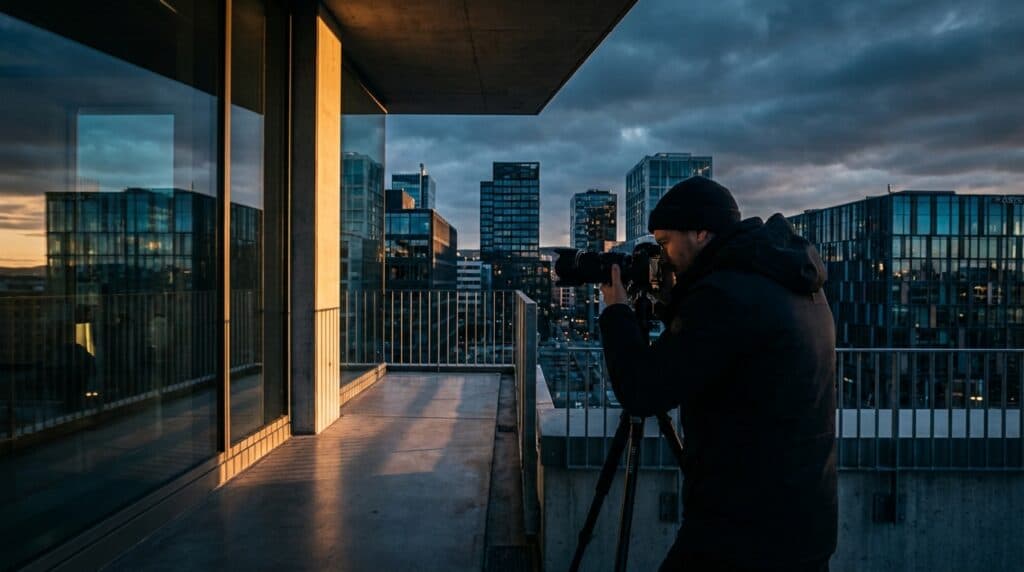
Why professional B2B photography is essential in the Oslo market
Visual content separates the winners from the losers in the B2B market. When potential customers land on your website or scroll past your LinkedIn profile, they make a decision in under three seconds. Are your images generic stock photos of smiling people in suits? Then you’ve already lost the battle for attention. A skilled photographer in Oslo can help your business create visual content that actually works, builds trust and converts visitors into customers.
The Oslo market is tough. Your competitors are investing in professional visual communication, and those who don’t keep up quickly become invisible. Companies that use authentic images of their own staff and office environments experience up to 35 per cent higher engagement on social media compared to those using stock photos. The figures don’t lie. Visual authenticity is no longer a bonus, but a necessity for survival in a market where everyone is fighting for the same customers.
Build trust through authentic images of employees
People buy from people. This truth is particularly relevant in a B2B context, where relationships and trust form the foundation of long-term partnerships. When a potential customer sees a professional portrait of the person they are about to meet, an immediate connection is formed. The face becomes familiar before the first handshake. Authentic photos of your team show who you really are, not a polished façade that crumbles at the first meeting.
Stock photos send a clear signal: we don’t care enough to invest in our own visual identity. Your customers notice this, even if they can’t always put it into words. They feel that something is missing, that the company seems impersonal or distant. Professional photos of actual employees in real work situations communicate the opposite. Here, real people with real expertise are working, and they genuinely care about solving your challenges.
First impressions on LinkedIn and the company’s website
LinkedIn has become the most important platform for B2B marketing in Norway. Over 1.5 million Norwegians actively use the platform, and business decision-makers are over-represented. Your profile picture and company page are often the first point of contact with potential customers, partners and future employees. An amateurish photo taken with a mobile phone in poor lighting undermines your credibility before you even have a chance to present your services.
Your website is just as critical. Visitors spend an average of 54 seconds on a website before deciding whether to stay or leave. In those few seconds, your images must convey professionalism, expertise and credibility. Effective visual content keeps visitors on the page longer, reduces bounce rates and increases the likelihood of them getting in touch.
Services a B2B photographer offers your business
An experienced photographer specialising in the corporate market offers far more than just pressing the shutter button. They understand how visual content influences purchasing decisions, how lighting and composition convey different messages, and how images should be adapted for different channels and formats. Here are the key services you should consider.
Portraits and headshots for management and staff
Professional portrait photos form the foundation of a company’s visual identity. These images are used on the website, in LinkedIn profiles, in press releases, on business cards and in internal documents. The quality must be consistent across all employees, which requires a photographer who can handle different personalities and make everyone look natural and confident.
A good B2B photographer knows that not everyone is comfortable in front of the camera. They use techniques to help subjects relax, give clear instructions on posture and facial expressions, and create an atmosphere where even the most camera-shy feel at ease. The result is images that beautifully blend personality and professionalism.
Environmental photos that showcase your company culture in Oslo
Environmental photos bring your company to life. They show the office premises, work situations, meetings, collaboration and day-to-day operations. These photos tell the story of who you are and how you work. For companies in Oslo, the city itself offers fantastic opportunities for backgrounds and context that reinforce a sense of local belonging.
Culture photos are particularly valuable for recruitment. Talented candidates will want to see what the working environment actually looks like before they apply. Photos of social events, team lunches, project meetings and informal moments provide an honest insight that job adverts alone cannot convey.
Event photography for conferences and seminars
Conferences, seminars and industry events are goldmines for content production. A skilled event photographer captures the moments that show your company in action: speakers on stage, engaged participants, networking during breaks and the general atmosphere. This material can be reused for months afterwards on social media, in newsletters and on your website.
Documenting your own events also builds credibility. Images from successful events show that your company is an active player in the industry, that you attract relevant participants, and that you have expertise worth sharing.
How to plan a successful photo shoot in Oslo
Good planning is the difference between mediocre and outstanding photos. Without a clear plan, you’ll end up with generic photos that are indistinguishable from your competitors’. With the right preparation, you’ll get visual content that actually works for your marketing.
Choosing a location: Studio, the office or urban Oslo
The choice of location dramatically affects the character of the photos. A studio setup provides controlled conditions with perfect lighting and neutral backgrounds. This works well for portrait photos where the focus should be on the person, not the surroundings. The downside is that the studio can seem sterile and impersonal.
Your office premises tell a story. Modern open-plan offices convey collaboration and accessibility. Traditional offices with separate rooms signal stability and professionalism. Choose areas that represent the culture you wish to convey.
Oslo offers unique opportunities for outdoor photography. Aker Brygge, the Barcode area, Grünerløkka or classic buildings in the city centre provide instantly recognisable backdrops that anchor the company geographically. Outdoor photography requires more planning in terms of weather and lighting conditions, but the results can be spectacular.
Developing a visual profile and mood board
A mood board brings together reference images, colour palettes and style examples that define the desired look. This tool ensures that the photographer and the client have the same understanding of the end result. Without a mood board, you risk the photographer delivering something completely different from what you had in mind.
The visual profile should harmonise with the existing brand identity. The colours, mood and style of the images must match the logo, website and other marketing materials. Inconsistency in visual communication confuses customers and weakens the brand.
Also consider the situations and subjects you need. Create a detailed list of the images you want: number of portrait shots, group photos, environmental shots from different departments, product images and any special shots. The more specific your brief, the better the result you’ll get.
Maximising the use of visual content in marketing
Professional images are an investment that should yield a return over time. To maximise their value, the images must be used strategically across all marketing channels. A good image can be reused in dozens of contexts if planned correctly from the outset.
Use of images in social media and advertising
Social media favours visual content. Posts with images generate significantly higher engagement than text-only posts. On LinkedIn, images of people increase engagement by up to 98 per cent compared to posts without images. For advertising, high-quality images are absolutely crucial for click-through rates and conversion.
Adapt the images to each platform. LinkedIn requires professional images focusing on people and work situations. Facebook and Instagram can accommodate more informal images that showcase the company culture. Advertisements need images that stop people scrolling and immediately grab their attention.
Vary the content over time. Use portrait images when sharing articles written by specific employees. Show workplace images when recruiting. Share event images when promoting upcoming events. A rich image library provides the flexibility to match visual content with the message.
Optimising images for SEO and faster websites
Images affect both search engine rankings and the user experience on the website. Large, uncompressed images slow the site down, which frustrates visitors and penalises you in Google searches. At the same time, the correct use of images is an SEO opportunity that many overlook.
Compress all images before uploading. Modern tools can reduce file size by 70–80 per cent without any visible loss of quality. Use the correct format: JPEG for photographs, PNG for graphics with transparency, WebP for the best possible balance between quality and size.
Write descriptive file names and alt text. Instead of IMG_4523.jpg, use something like general-manager-oslo-office.jpg. The alt text should describe the image naturally and include relevant keywords where appropriate. This helps search engines understand the content and improves accessibility for the visually impaired.
Investing in quality: How to choose the right photographer
Choosing a photographer is about more than finding the cheapest provider. An experienced B2B photographer in Oslo understands the needs of the business market and delivers images that actually drive results. Here’s what you should look for.
The portfolio reveals everything. Ask to see previous work for similar companies. Does the photographer have experience in your industry? Does the style match what you envisage? The quality of portrait shots, the ability to capture natural moments and the consistency across different assignments will tell you what to expect.
References from previous clients provide valuable insight. Ask about the photographer’s professionalism, ability to meet deadlines, flexibility during the assignment and the quality of the final product. A photographer may have fantastic images in their portfolio but be difficult to work with.
Discuss the delivery thoroughly before the assignment. How many finished images will you receive? In what formats and resolutions? Who owns the rights to the images? How long does post-processing take? Clear agreements prevent misunderstandings and disappointments.
Think long-term. A photographer who understands your brand and has delivered good results should be used again. Consistency in visual style over time strengthens brand identity. Building a long-term partnership with a photographer who knows your business leads to better images and smoother processes.
Effective visual content requires professional expertise. Your images represent your business across all channels, from your website to LinkedIn to printed materials. Invest in quality, and the images will work for you for years to come.
Would you like help strengthening your company’s visual communication and digital presence? Book a meeting with Mediabooster for a no-obligation chat about how we can help you with everything from visual strategy to comprehensive digital marketing.